
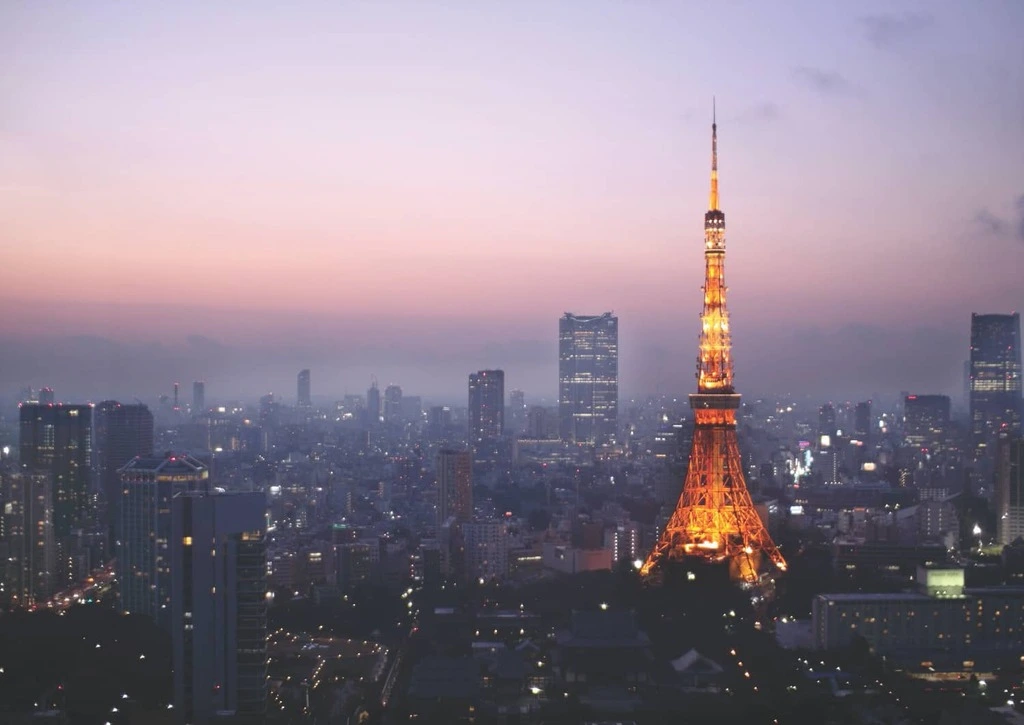
Tokyo air pollution once defined the city, shrouding its skyline in a hazardous smog that threatened public health. However, this megacity engineered one of history’s most impressive environmental turnarounds. This guide details the Tokyo air pollution crisis, its devastating effects, the decisive steps taken to resolve it, and the city’s air quality today.
What Caused the Tokyo Air Pollution Crisis?
The crisis emerged from a perfect storm of rapid economic growth and a lack of environmental oversight. Several key factors converged to create the problem.
- Rapid Industrialization: Japan’s post-war “Economic Miracle” concentrated heavy industry in the Keihin region around Tokyo. Factories burned high-sulfur coal and heavy oil without any emission controls.
- Explosive Motorization: Car ownership skyrocketed, flooding streets with vehicles that ran on leaded gasoline and had inefficient, dirty engines.
- Unfavorable Geography: Tokyo’s location in a basin often trapped pollutants under a layer of warm air, preventing dispersal and leading to severe smog episodes.
- Initial Lack of Regulation: For decades, environmental protection was not a priority, allowing industries and vehicles to pollute freely.
The Toxic Mix: Key Pollutants in Tokyo’s Air
The air was a dangerous cocktail of several pollutants, each with severe health impacts.
- Sulfur Oxides (SOx): The primary component of industrial smog, SOx caused respiratory illnesses and acid rain.
- Nitrogen Oxides (NOx): Emitted from vehicles and industry, NOx directly harms lungs and acts as a key precursor to smog.
- Suspended Particulate Matter (SPM): This visible soot and dust from diesel engines blackened buildings and penetrated deep into lungs.
- Photochemical Smog (Ozone – O₃): Formed when NOx and chemicals react in sunlight, this secondary pollutant caused eye irritation and breathing problems.
How Severe Was the Tokyo Air Pollution Crisis? A Public Health Emergency
The Tokyo air pollution crisis had tangible, devastating consequences.
- Widespread Health Problems: Respiratory diseases like asthma and bronchitis became rampant. The “Yokkaichi Asthma” lawsuit highlighted the dire link between pollution and public health.
- The Infamous Smog Episodes: Events like the 1970 Rissho High School incident, where dozens of students collapsed from smog exposure, shocked the nation and forced government action.
- Visible Environmental Damage: Smog was often so thick it reduced visibility, requiring streetlights during the day and obscuring views of Mount Fuji for years.
The Multi-Phase Solution: How Tokyo Air Pollution Crisis was Reversed
The city’s recovery was a sustained, multi-pronged effort involving legislation, technology, and urban policy.
Phase 1: Legislative Foundation (1970s)
Public pressure led to a dramatic governmental shift. The national “Pollution Diet” passed 14 laws, including the Air Pollution Control Law, which set emission limits and enforced the “Polluter Pays” principle. Consequently, Japan introduced the world’s strictest vehicle emission standards.
Phase 2: Technological Innovation
New laws spurred technological advances. Factories installed Flue Gas Desulfurization scrubbers, while vehicles were required to have catalytic converters. Later, a crucial step was the phase-out of leaded gasoline.
Phase 3: The “Diesel War” (2000s)
Despite progress, diesel exhaust remained a problem. The Tokyo Metropolitan Government (TMG) took the lead, famously banning non-compliant diesel trucks from the city. This aggressive local policy forced the entire logistics industry to upgrade its fleet.
Phase 4: Sustainable Urban Planning
Finally, Tokyo invested heavily in its world-class public transit system, reducing reliance on private cars. A rigorous vehicle inspection program (Shaken) also ensured that cars on the road continued to meet emission standards.
The Government’s Role: A Review of the Cleanup the Tokyo air pollution
The reversal of Tokyo air pollution showcases the power of coordinated government action.
- National Government: After a slow start, it set crucial national standards and legal frameworks that provided a baseline for the entire country.
- Tokyo Metropolitan Government (TMG): The TMG was the true driver, often implementing measures stricter than national law. Its proactive stance, especially with the diesel ban, proved that local governments can force nationwide change.
Tokyo Air Quality Today: Current Status and Data
So, what is the Tokyo air quality like today? The transformation is remarkable.
- Modern Standards: According to IQAir, Tokyo’s annual PM2.5 levels are typically between 5-12 µg/m³. This meets Japan’s domestic standards, though it still exceeds the WHO’s stricter guideline of 5 µg/m³.
- Remaining Challenges: The city now battles ground-level ozone and transboundary PM2.5 that drifts from other parts of Asia, issues that require regional cooperation.
- Future Goals: The TMG’s “Zero Emissions Tokyo” strategy aims to further improve air quality while working towards carbon neutrality by 2050.
Conclusion: A Lasting Legacy of Clean Air
In conclusion, Tokyo’s journey from a smog-choked city to a model of clean air is a powerful blueprint for the world. The successful reversal of Tokyo air pollution proves that with political will, science-based regulation, and technological innovation, even the most severe environmental crises can be overcome.
References and Further Reading (Genuine Outbound Links)
- Ministry of the Environment, Japan: Overview of vehicle emission regulations in Japan.
- IQAir: Live and historical air quality data for Tokyo.
- Tokyo Metropolitan Government: Environmental policies and white papers (English).
- Academic Analysis: “Air Pollution Trends in Japan” – A scientific review of the country’s pollution history and countermeasures.
- World Bank Report: A case study on urban pollution and policy responses in Japan.
Related Posts
- Mexico City Air Pollution Crisis: From Smog to Recovery
- Comprehensive Analysis on London Air Pollution Crisis
- Los Angeles Air Pollution Crisis: Choking Smog to Cleaner Skies
- Global Air Pollution: A Historical Overview, Current Crisis, Causes and Proven Solutions
- Delhi Air Pollution 2025: Causes, Health Impacts & Solutions
Pingback: Beijing Air Pollution Crisis: Causes & Reversal - Global Echo
Pingback: Delhi Air Pollution Solutions: A Global Blueprint to Clear the Skies - Global Echo