
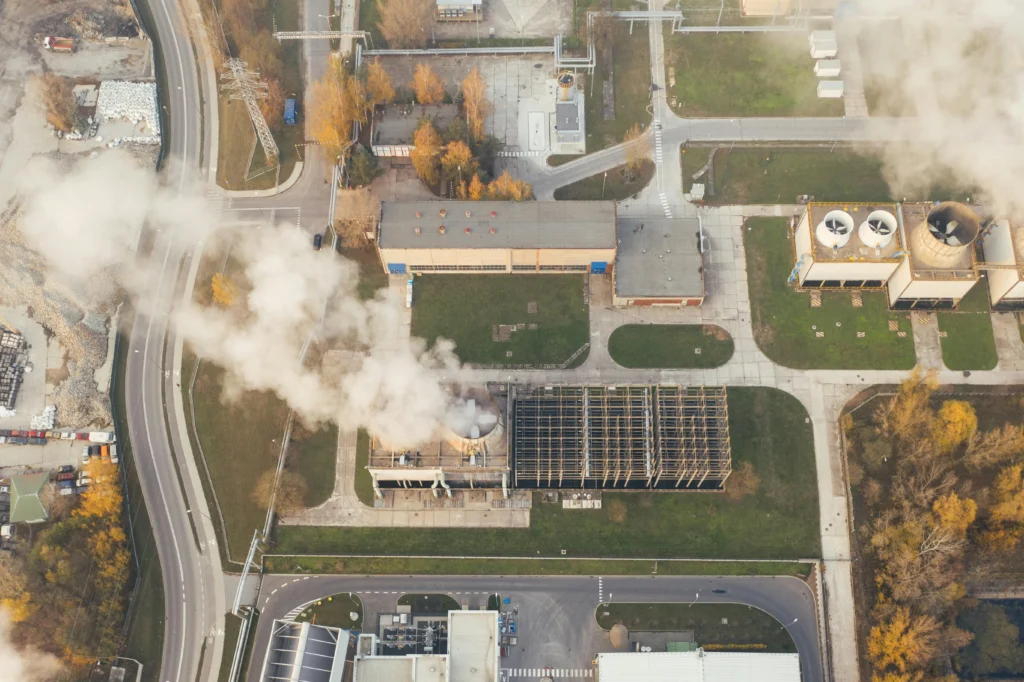
Introduction: A Megacity’s Battle Against the Smog in Mexico City Air Pollution Crisis
In the late 20th century, the Mexico City air pollution crisis epitomized urban environmental catastrophe. Dubbed the “most polluted city on the planet” by the United Nations in 1992, its skies were shrouded in a choking haze so dense that anecdotal reports described birds plummeting from the air mid-flight. Breathing the smog was likened to smoking two packs of cigarettes daily, triggering widespread respiratory crises and economic strain. Yet, this sprawling metropolis of over 22 million residents—nestled in a high-altitude valley—has staged one of the most inspiring turnarounds in global environmental history.
Fueled by a toxic brew of geographic constraints, explosive urbanization, and lax regulations, the crisis peaked in the 1980s and 1990s. But through decades of coordinated government action, technological upgrades, and public engagement, emissions of major pollutants plummeted. Today, in November 2025, Mexico City’s air quality hovers in the “good” range, ranking it 917th globally—a far cry from its infamous nadir. This article delves into the causes, components, severity, reversal strategies, and the Mexican government’s pivotal role, drawing lessons for megacities worldwide facing similar threats.
Causes: A Perfect Storm of Geography, Growth, and Human Activity
The Mexico City air pollution crisis was no accident but the inevitable clash of immutable natural features and unchecked human expansion. Situated in the Valley of Mexico—a 1,500-square-kilometer basin at 2,240 meters (7,350 feet) above sea level—the city is encircled by mountains reaching 5,000 meters. This “bowl-like” topography acts as a natural trap, stifling wind dispersion and confining pollutants close to the ground.
Key Aggravating Factors
- Thermal Inversions and Meteorology: During the dry winter season (November–May), temperature inversions form a “lid” of warm air over cooler surface air, exacerbating stagnation. Intense sunlight, amplified by the altitude’s clear skies, fuels photochemical reactions that spawn secondary pollutants.
- High Altitude’s Combustion Curse: With 25% less oxygen than at sea level, vehicle engines burn fuel inefficiently, boosting emissions of carbon monoxide (CO) and unburnt hydrocarbons.
- Explosive Urbanization and Motorization: From 3 million residents in 1950 to over 20 million by 2015, population growth—driven by rural migration and industrial booms—spurred a vehicle fleet surge from 124 per 1,000 residents in 1980 to 267 in 2010. By the 1970s, the city hosted 33,185 unregulated industries.
- Industrial and Fuel Legacy: Heavy polluters like the 18th of March Oil Refinery spewed sulfur dioxide (SO2), while leaded gasoline and high-sulfur diesel dominated until reforms.
This synergy turned the valley into a reactor: vehicles alone contributed 75–80% of nitrogen oxides (NOx) and CO, with industry adding volatile organic compounds (VOCs) and particulates.
| Cause Category | Description | Contribution to Crisis |
|---|---|---|
| Geography | Basin trap and inversions | 40–50% pollutant retention |
| Altitude | Incomplete fuel burn | 20–25% higher emissions |
| Urban Growth | Population/vehicles boom | 5x vehicle increase (1940s–1970s) |
| Industry/Fuels | Unregulated factories, leaded gas | SO2 and lead spikes pre-1990s |
Components of Pollution: The Toxic Cocktail of Mexico City Air Pollution
Mexico City’s smog was a complex mix of primary pollutants (directly emitted) and secondaries (formed atmospherically), monitored by the RAMA network of over 40 stations. The “criteria pollutants” dominated, with vehicles as the top emitter (79% NOx, 96% CO).
- Ozone (O3): The hallmark of photochemical smog, formed when NOx and VOCs react under sunlight. It irritates lungs and exacerbates asthma.
- Particulate Matter (PM2.5 and PM10): Fine particles (<2.5 µm) from exhaust, dust (from the dried lakebed), construction, and diesel soot; PM2.5 penetrates deep into lungs and bloodstream.
- Nitrogen Dioxide (NO2): From diesel engines and power plants; sensitizes airways, worsening infections.
- Sulfur Dioxide (SO2): From fossil fuel burning in refineries; causes bronchoconstriction.
- Carbon Monoxide (CO): Colorless exhaust from incomplete combustion; starves tissues of oxygen.
- Lead and VOCs: Historical neurotoxins from leaded fuel and solvents; precursors to O3 and PM.
By the 1990s, daily emissions exceeded 11,000 tons, with O3 peaking at 303 ppb—far above WHO limits.
| Pollutant | Main Sources | Health Effects | Historical Peak (1990s) |
|---|---|---|---|
| Ozone (O3) | Vehicles/industry (NOx + VOCs) | Respiratory inflammation, premature death | 303 ppb (90% exceedance days) |
| PM2.5/PM10 | Exhaust, dust, industry | Cardiovascular disease, lung cancer | 50–60 µg/m³ annual |
| NO2 | Diesel, power plants | Aggravated asthma, infections | ~50 ppb hourly |
| SO2 | Fossil fuels, refineries | Breathing difficulties, mortality | Frequent exceedances |
| CO | Gasoline vehicles | Headaches, reduced cognition | High daily averages |
| Lead | Leaded gasoline | Neurotoxicity in children | Elevated blood levels |
Mexico City Air Pollution Severity: A Public Health and Economic Catastrophe
At its zenith in the 1980s–1990s, the crisis was unrelenting: pollution breached WHO standards on 90% of days, ranking Mexico City as Mexico’s 8th leading cause of death. It claimed ~17,000 premature nationwide deaths in 2012 alone, with the metro area shouldering a disproportionate load—thousands annually from respiratory and cardiovascular woes.
Human Toll
- Health Impacts: Stinging eyes, chronic headaches, and surges in asthma/bronchitis hospitalizations. Long-term exposure slashed children’s lung capacity and elevated infant mortality; PM2.5 exposure equated to smoking 3.5 cigarettes daily.
- Vulnerable Groups: Children under 14 (3 million) and the older people bore the brunt, with ozone triggering school closures during 2016–2019 episodes.
Economic and Social Costs
- Annual losses: MXN 30 billion (~$1.5 billion USD) in healthcare, productivity, and cleanup—several percent of GDP.
- Social Inequity: Low-income outskirts, dependent on diesel microbuses, faced higher exposures than affluent centers.
The 1992 UN verdict wasn’t hyperbole; it galvanized action amid a “slow-motion disaster” eroding biodiversity and cultural sites via acid rain.
How It Was Reversed: Multi-Decade Strategies and Government Steps
Reversal was gradual, spanning 30+ years via integrated programs like PICCA (1986) and ProAire (1995–present), investing $15 billion. Federal (SEMARNAT), state, and local (SEDEMA) governments coordinated through the Metropolitan Environmental Commission (CAMe), blending regulation, tech, and behavior change.
Key Government-Led Steps
- Fuel Reforms (1990s–2000s): Phased out leaded gasoline (1993–1997, via MTBE substitution), slashed diesel sulfur to 15 ppm, and mandated catalytic converters—cutting CO 86% and blood lead 50% in children.
- Vehicle Restrictions (Hoy No Circula, 1989): Banned cars one weekday based on license plates/emissions; reduced traffic 20%, though evasion (second cars) created a “cobra effect.”
- Industrial Controls and Relocation: Closed the 18th of March Refinery (1991); mandated natural gas shifts and filters, relocating 20–40% of heavy polluters.
- Public Transport Modernization: Expanded Metrobús BRT (200+ km), subway lines, and Ecobici bike-sharing; retrofitted 9,000+ buses, saving 7–8 tons PM10 yearly.
- Monitoring and Enforcement: RAMA network for real-time data; mandatory bi-annual Verificación smog checks (OBD tech rejects 23%); contingency protocols (PCAA) for alerts.
- ProAire Frameworks: Iterative plans (ProAire I–IV) targeted sectors, with education and green spaces; 2023 Breathe Cities Initiative boosts data-sharing.
These halved O3 and PM by 2012, despite GDP tripling and vehicles doubling. Technocracy—guided by experts like Nobel laureate Mario Molina—prioritized science over politics.
| Timeline of Major Steps | Action | Impact |
|---|---|---|
| 1989 | Hoy No Circula launch | 20% traffic cut; CO decline starts |
| 1991 | Refinery closure | SO2 compliance |
| 1993–1997 | Lead phase-out | 50% drop in child blood lead |
| 1995–Ongoing | ProAire programs | O3 -53%, PM -32% by 2012 |
| 2000s–Present | BRT expansion, Verificación | NOx -20%; 33K fewer ER visits/year |
| 2023–2025 | Breathe Cities, Euro VI standards | Enhanced monitoring, episodic control |
Government Role: Triumphs and Shortcomings of Mexico Air Pollution
The tri-level government’s resolve was transformative—averting 1,400 deaths yearly via $15 billion ProAire investments. Successes included sophisticated monitoring (RAMA) and unpopular but effective bans. However, critiques persist: delayed WHO-aligned standards, corruption in Verificación (bribes for passes), and urban sprawl negating efficiency gains. Public skepticism (40% unaware of programs) underscores needs for better equity and enforcement.
Current Air Quality in Mexico City (November 2025)
As of November 29, 2025, Mexico City’s AQI stands at 40–50 (good to moderate), a vast improvement from 1990s extremes. PM2.5 averages 10–20 µg/m³—below acute thresholds but above WHO’s 5 µg/m³ annual guideline. SO2 and CO remain compliant (>90% good days), while NO2 hovers near EU limits.
Yet, challenges linger: 5 ozone contingencies in early 2025 (March–July), driven by heatwaves, drought, and 5+ million vehicles. Ranked 917th globally, the city stabilized post-2024’s 12 contingencies, thanks to 2025 federal measures like emission caps and EV incentives. Winter rains dilute PM, but spring ozone spikes (up to 1.9x limits) and wildfires pose risks. Forecasts predict stability, barring El Niño effects.
| Pollutant | 2025 Average | WHO Guideline | Status |
|---|---|---|---|
| PM2.5 | 15 µg/m³ | 5 µg/m³ annual | Moderate |
| O3 | 193 ppb | 100 µg/m³ 8-hr | Episodic exceedances |
| NO2 | <50 ppb | 10 µg/m³ annual | Good |
| AQI Overall | 40–70 | <50 (good) | Generally good |
Conclusion: Lessons from the Valley – Geography Isn’t Destiny
Mexico City’s arc from “Makes Eyes Cry” to a breathable hub proves aggressive, science-driven policy can reclaim urban air. While geography posed formidable barriers, government ingenuity—via ProAire, reforms, and transit—delivered 80%+ cuts in key pollutants. Persistent ozone and inequities demand bolder steps: net-zero targets, cross-border cooperation, and behavioral nudges. For Delhi, Lagos, or Beijing, the blueprint is clear: monitor relentlessly, regulate ruthlessly, and engage inclusively. As 2025 closes, the valley breathes freer, but vigilance endures.
Similar Articles
- Comprehensive Analysis on London Air Pollution Crisis
- Los Angeles Air Pollution Crisis: Choking Smog to Cleaner Skies
- Global Air Pollution: A Historical Overview, Current Crisis, Causes and Proven Solutions
- Delhi Air Pollution 2025: Causes, Health Impacts & Solutions
Pingback: Tokyo Air Pollution: From Crisis to Clean Air Model - Global Echo
Pingback: Beijing Air Pollution Crisis: Causes & Reversal - Global Echo