
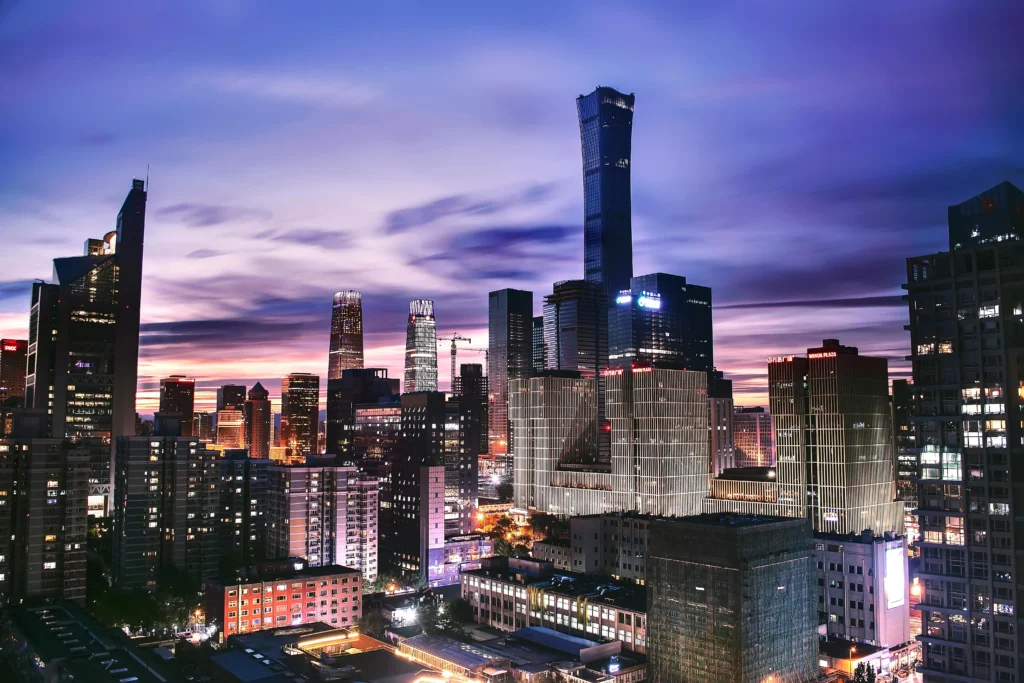
Historical Context: The Rise of the Airpocalypse
In the early 2010s, the Beijing air pollution crisis captured worldwide attention. For instance, smog so dense it reduced visibility to under 200 meters forced widespread school closures and flight cancellations. Moreover, this period, often called the “airpocalypse,” highlighted the costs of rapid economic expansion. However, it also sparked a national response that transformed the city’s skies. Today, with more blue-sky days than ever, Beijing offers valuable lessons. In addition, understanding this shift requires looking at the underlying factors that fueled the haze.
Core Causes: Coal, Cars, and a Trapped Basin
The Beijing air pollution crisis stemmed from several interconnected issues. First, China’s heavy reliance on coal played a major role. For example, coal powered about 70% of the country’s energy in 2013, including heating for Beijing’s harsh winters. This led to high emissions from power plants and household stoves. Furthermore, explosive growth in vehicles worsened the problem. By 2013, Beijing had over 5 million cars, many without modern filters, adding nitrogen oxides and dust to the air.
Additionally, regional industries in nearby Hebei province contributed significantly. Steel and cement factories there sent pollutants drifting into the capital. On top of that, Beijing’s geography acted like a bowl. Surrounded by mountains, the city often faces winter inversions. These stable air layers trap smoke near the ground, making smog last for days. In short, while economic progress drove these causes, early weak rules allowed them to build unchecked.
| Cause Category | Main Drivers | Role in 2013 Crisis |
|---|---|---|
| Coal Use | Power/heating (70% energy) | 40% of PM2.5; winter SO2 spikes |
| Vehicle Growth | 5M+ cars; poor controls | 30% NOx; daily traffic exhaust |
| Regional Factories | Hebei steel/cement | 30-40% cross-border haze |
| Basin Topography | Mountains + inversions | 50% emission trapping; 100+ bad days/year |
This table shows how these elements combined, turning growth into a health hazard.
Key Pollutants: Breaking Down the Smog’s Makeup
The Beijing air pollution crisis involved a mix of harmful substances. Primarily, fine particulate matter, or PM2.5, stood out. These tiny particles from coal smoke and car fumes can enter the lungs deeply. For instance, in 2013, PM2.5 levels averaged 89 µg/m³—18 times the World Health Organization’s safe limit of 5 µg/m³. Moreover, ozone formed as a secondary pollutant. It arises when vehicle emissions react with sunlight, irritating airways during summer.
Other components included nitrogen dioxide from traffic and sulfur dioxide from coal burning. These gases contribute to acid rain and breathing problems. Finally, carbon monoxide from incomplete fuel burns reduces blood oxygen. Overall, PM2.5 made up 90% of the visible haze, but the full blend posed broader risks.
| Pollutant | Top Sources | Main Effects | 2013 Highs |
|---|---|---|---|
| PM2.5 | Coal/vehicles/dust | Heart issues, cancer | 89 µg/m³ yearly (18x WHO) |
| Ozone | NOx + sunlight | Lung irritation | 200+ µg/m³ (2x WHO) |
| NO2 | Cars/power plants | Asthma worsening | 60 µg/m³ (6x WHO) |
| SO2 | Coal fires | Bronchitis | 50 µg/m³ (5x WHO) |
| CO | Engine exhaust | Headaches | 3 mg/m³ (1.5x WHO) |
As this chart illustrates, each pollutant added to the crisis’s danger, with PM2.5 as the biggest threat.
The Heavy Toll: Health and Cost of the Haze
The severity of the Beijing air pollution crisis hit hard in the early 2010s. During the 2013 airpocalypse, AQI levels topped 900 for weeks. This led to thousands of hospital visits in one week alone, with respiratory cases up 30%. In addition, older adults and children faced higher risks, including more asthma attacks and heart events. Studies show pollution cut life expectancy by 5.5 years at its worst.
Beyond health, the economic hit was huge. Losses reached ¥200 billion yearly from medical bills and lost work time. For example, tourism dropped, and businesses paused during shutdowns. Socially, masks became everyday wear, and protests grew over dirty air. However, this pressure helped spark change, turning a dark chapter into a story of recovery.
Turning the Tide: How the Crisis Found Resolution
Reversing the Beijing air pollution crisis took bold steps over a decade. The 2013 Action Plan marked the start, a national effort to cut coal and clean transport. For instance, it aimed to lower PM2.5 below 35 µg/m³ in cities like Beijing. By 2017, levels had dropped 35%, thanks to key moves.
Furthermore, coal cleanups replaced millions of old boilers with cleaner gas or electric ones. Vehicle rules added odd-even driving days and pushed electric cars, with over 3 million EVs by 2023. In addition, factories relocated or upgraded, reducing dust and gases. These efforts not only cleared the air but also added 276 blue-sky days a year by 2022—up 50% from before.
| Reversal Timeline | Major Steps | Results |
|---|---|---|
| 2013 | Action Plan launch: Coal caps | Set targets; 35% PM drop by 2017 |
| 2014-2017 | Boiler swaps; plant closures | Coal use -50%; SO2 in check |
| 2015+ | EV push; plate restrictions | NOx -30%; 3M+ green vehicles |
| 2018-2023 | Plan extension: Ozone controls | Blue days +50%; life expectancy +4.6 years |
| 2025 | End severe haze goal | AQI under 100 average aimed |
This timeline highlights steady wins, driven by focused policy.
Government’s Hand: Strong Leadership with Room for Growth
The Chinese government led the charge against the Beijing air pollution crisis with top-down power. The State Council set the 2013 Plan, pouring ¥1 trillion into fixes like factory moves and EV aid. Local Beijing teams enforced rules, such as driving limits, while the Ministry of Ecology monitored progress with 1,000+ stations.
On the positive side, this approach saved lives—averting 400,000 early deaths from 2013 to 2021. However, critics point to delays before 2013, when coal use tripled unchecked. Also, some pollution shifted to western areas, raising fairness questions. Data sharing improved, but early gaps built distrust. Overall, the effort shows strong resolve, blending speed with learning for better equity.
Today’s Air: A November 29, 2025 Overview
As of November 29, 2025, Beijing’s air quality shows clear gains from the crisis era. The AQI sits at 80-119, or Moderate to Unhealthy, mainly from PM2.5 at 35-43 µg/m³—still 7 times the WHO’s 5 µg/m³ yearly safe level. Ozone stays low at 3-26 ppb, and NO2 at 31 ppb from traffic. Yearly average: Around 32.6 µg/m³, up slightly from 2024 but far better than 2013.
Winter could bring spikes to 150 due to heating and calm winds. For now, most days meet national “good” marks. Health tips: Older adults and kids should stay inside during peaks, using air purifiers. Beijing ranks higher globally, thanks to green belts and EVs, but regional winds pose ongoing tests.
| Pollutant (Nov 29, 2025) | Level | WHO Limit | Notes |
|---|---|---|---|
| AQI Overall | 80-119 | <50 Good | Moderate; watch for 150 rises |
| PM2.5 | 35-43 µg/m³ | 5 µg/m³ yearly | 7x limit; 60% less since 2013 |
| Ozone | 3-26 ppb | 60 ppb 8-hr | Low now; summer watch |
| NO2 | 31 ppb | 53 ppb yearly | Traffic-based; in line |
This snapshot reflects progress, with more work ahead.
Broader Insights: What Beijing Teaches Us
The Beijing air pollution crisis reminds us that fast growth needs green checks. From coal haze to clearer views, it proves big changes work with planning. However, keeping gains means fair rules for all areas. Cities everywhere can learn: Target roots, track closely, and adapt. In the end, cleaner air builds healthier futures.
Key Citations
- IQAir: Beijing AQI November 29, 2025
- Earth.Org: Air Pollution in Beijing
- CREA: PM2.5 Trends in China 2023
- UNHABITAT: Beijing PM2.5 Progress
- Reuters: China’s 2025 Pollution Goals
- ICLEI: Beijing Air Strategies
- PMC: Air Quality and Life Expectancy
- ScienceDirect: Urban Health Impacts
- CREA: Pollution Shifts in China
- MDPI: Air Pollution Special Issue
Related Articles
- Tokyo Air Pollution: From Crisis to Clean Air Model
- Mexico City Air Pollution Crisis: From Smog to Recovery
- Comprehensive Analysis on London Air Pollution Crisis
- Los Angeles Air Pollution Crisis: Choking Smog to Cleaner Skies
- Global Air Pollution: A Historical Overview, Current Crisis, Causes and Proven Solutions
- Delhi Air Pollution 2025: Causes, Health Impacts & Solutions
Pingback: Delhi Air Pollution Solutions: A Global Blueprint to Clear the Skies - Global Echo