
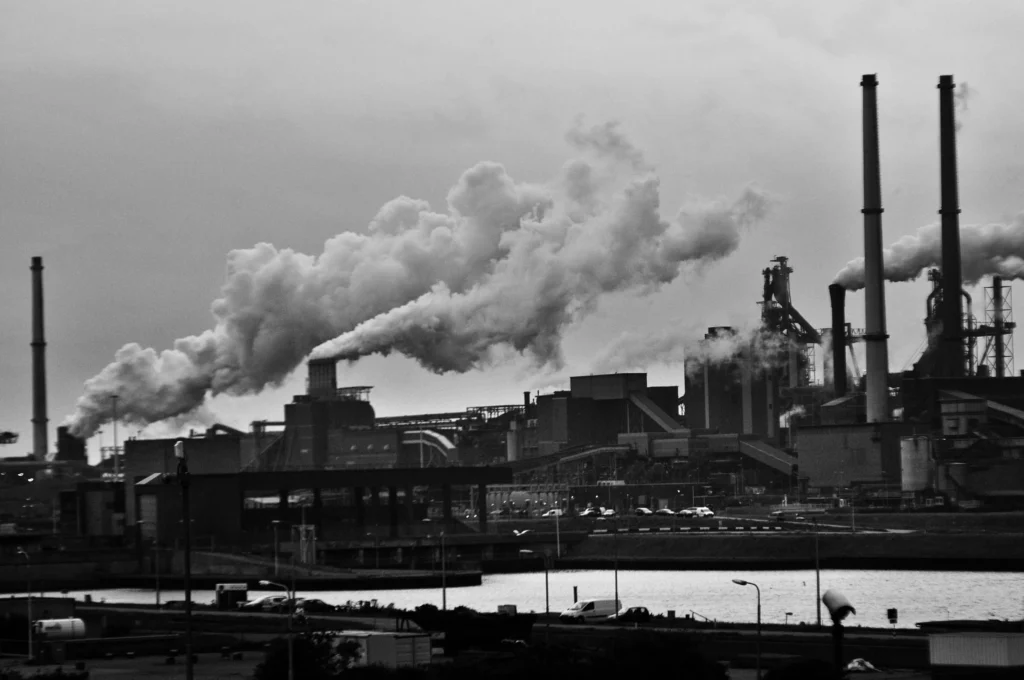
Introduction: From “The Big Smoke” to Breathable Skies
London’s skies have long mirrored its industrial might and human cost—from medieval coal bans to the choking fogs of the Victorian era. Yet, the Great Smog of December 1952 stands as the nadir: a toxic veil that shrouded the city for five days, claiming thousands of lives and exposing the perils of fossil fuel dependency. London air pollution crisis, distinct from photochemical hazes like Los Angeles’, was a “classical” sulfurous fog born of coal and weather, prompting the world’s first comprehensive clean air laws. Drawing on historical records and modern data, this analysis dissects the causes, pollutant anatomy, devastating severity, government-orchestrated reversal, and November 2025 air quality. It reveals how the UK transformed a public health apocalypse into a model for urban sustainability, though traffic-derived challenges endure. As climate change revives inversion risks, London’s story underscores that policy, not fate, clears the air.
The Smog’s immediacy—turning noon to night—galvanized action absent in chronic eras, where bronchitis felled 50,000-70,000 yearly by 1900. Post-1952, SO₂ plummeted 90%, but today’s NO₂ hotspots remind us: Progress is iterative.
Historical Evolution: Centuries of Haze Culminating in Catastrophe
London air pollution crisis shadowed London from its founding. In 1272, Edward I outlawed “sea-coal” after soot complaints, fining violators but lacking enforcement. The Industrial Revolution (1760-1840) escalated: Coal-powered mills and homes released unprecedented SO₂ and particulates, birthing annual “pea-soupers”—yellowish fogs killing 1,000-2,000 winters. Charles Dickens decried the “monster” in Bleak House (1853), where fog “rolls sullenly” like a beast.
Early 20th-century episodes foreshadowed 1952: The 1930 “silent killer” fog (445 deaths); 1948’s (800+). Post-WWII, rationing eased briefly, but 1952’s cold (-2°C) and anticyclone—stagnant high pressure—sealed doom. Smog blanketed 4,000 square miles from December 5-9, lifting only with winds. It wasn’t isolated; 1962/1963 smogs (300-800 deaths) tested reforms.
| Era | Key Events | Emission Trends | Responses |
|---|---|---|---|
| 13th-18th C. | Coal bans (1272); Evelyn’s Fumifugium (1661) | Localized hearth smoke | Symbolic laws; tree-plant proposals |
| Industrial Rev. (1760-1900) | Factory booms; annual fogs | SO₂/PM 10x rise; 1,000+ deaths/year | Alkali Act (1863) for industry |
| Early 20th C. | 1930/1948 fogs; WWII dip | Persistent winters; bronchitis epidemic | Public Health Act (1936) inquiries |
| 1952 Peak | Great Smog: Inversion + coal surge | SO₂ 370t/day; visibility <1m | Chaos; 1956 Act catalyst |
| Post-1956 | Fuel shifts; 1962 repeat | SO₂ -90% by 1970s | 1968 Act; ULEZ (2019) |
Causes: Coal’s Grip and Nature’s Lid
The Smog was 90% human-made, per analyses, with weather as the spark. Postwar austerity locked London into “nutty slack”—cheap, high-sulfur coal (up to 3% sulfur)—burned in 4 million open grates and factories.
- Anthropogenic Drivers (80-90%): Domestic fires (60% emissions) and power stations (e.g., Bankside) released unfiltered SO₂; industries added HCl/fluorine. Daily coal: 13 million tons/year citywide.
- Meteorological Amplifier: Anticyclone caused windless calm; inversion (warm air 100-300m aloft over cold ground) trapped pollutants, concentrating them 10x normal. Thames basin geography stalled dispersal.
- Contributing Factors: Diesel rise (buses/trains) added PM; population density (8M metro) intensified output. Debates: Homes vs. stations (studies favor domestic ~60%), but consensus on coal as culprit.
Without inversion (occurring 20-30% winters), toxins might have diluted; instead, cold tripled burning, forging lethality.
Components of Pollution: The Sulfurous Venom
1952’s fog was “classical” smog—direct combustion products, not sunlight-formed like LA’s. Coal’s impurities yielded a corrosive mix, pH ~2, invading homes via drafts.
| Pollutant | Sources (% Contribution) | Health Effects | Peak 1952 Levels |
|---|---|---|---|
| Sulfur Dioxide (SO₂) | Coal/power stations (80%) | Forms acid aerosols; bronchitis, lung edema | 370 tonnes/day (~1-2 ppm; 7x normal) |
| Smoke Particulates/PM (soot, tar) | Domestic/industry fires (70%) | Clogs airways; exacerbates infections, hypoxia | 1,000 tonnes/day; visibility <1m |
| Hydrochloric Acid (HCl) | Coal chlorine (variable) | Corrosive to eyes/throat; chemical burns | 140 tonnes/day |
| Fluorine Compounds | Industrial/coal traces (10%) | Nerve/bone toxicity; acute poisoning | 14 tonnes/day |
| Particulates (general PM) | Combustion (60%) | Cardiovascular strain; “black lung” autopsies | High; greenish-yellow hue |
SO₂ oxidized mid-air to sulfuric acid droplets, coating alveoli; PM ferried toxins deep, mimicking flu. Unlike photochemical O₃/NOx, this was visible, immediate peril.
Severity: An Unprecedented Human Tragedy
The Smog’s acuity overwhelmed: Visibility fell to 1-3 feet (from 100m+), cloaking landmarks in gloom during London air pollution crisis. December 7-8 peaked, with noon like midnight; pigeons plummeted, cattle died at Smithfield.
- Mortality and Morbidity: Initial: 4,000 excess deaths (bronchitis/pneumonia); revised 10,000-12,000, plus 100,000-150,000 illnesses (coughing, eye burns). Excess rate: 3x baseline, 10x in older people. Hospitals triaged; mortuaries overflowed.
- Long-Term Ripples: 1953 “flu” epidemic (8,000 deaths) linked to weakened lungs; fetal exposures tied to 5-10% lower cognition (studies to 2010s). Vulnerable: East End poor (high coal), children/older people (2-3x risks).
- Socioeconomic Fallout: £10M+ (2025 ~£300M) in halted trade, crops ruined; theaters/sports canceled. It etched inequities, with working-class bearing brunt.
Pathologists noted soot-choked lungs; the event’s scale—deadliest pollution incident—fueled media frenzy, pressuring reform.
Reversal: Policy Over Poison – How the London Air Pollution Crisis Was Conquered
Improvement was swift yet phased: SO₂ halved in 5 years, near-eliminated by 2000s. Visibility normalized; smog deaths vanished. Returns: Averted 100,000+ fatalities (1960-2000), £30+ per £1 invested.
Key Steps:
- Acute Response (1952-1953): Emergency care; coal stockpiles rationed. Medical surveys (Ministry of Health) quantified toll, proving SO₂ link.
- Inquiry and Pilots (1954): Beaver Committee probed causes; City of London Act tested “smoke control areas” banning dark emissions.
- Landmark Legislation (1956 Act): Banned smoky fuels in zones; 50% grants for gas/electric conversions (1M homes by 1960s). Criminalized chimney smoke.
- Enforcement Expansion (1957-1968): Local inspectors (1,200+ zones by 1970); 1968 Act added grit filters, industrial permits.
- Modern Adaptations (1990s-2025): EU Air Quality Directive (2008) targeted NO₂; Congestion Charge (2003) cut traffic 30%; ULEZ (2019, expanded 2023) fined dirty vehicles, slashing NO₂ 50%. Net-zero: 100% zero-emission buses by 2030.
Challenges: 1962 Smog (incomplete zones) spurred tweaks; traffic shift delayed full wins.
| Phase | Government Steps | Achievements | Challenges |
|---|---|---|---|
| 1952-54 | Inquiries; emergency aid | Toll quantified; pilots | Public denial; industry pushback |
| 1956 Act | Bans/subsidies in zones | SO₂ -70% in 5 years; 100+ areas | Conversion costs (£100M+) |
| 1960s | Local enforcement; 1968 Act | Smog episodes near-zero | 1962 repeat (300 deaths) |
| 1990s-2025 | ULEZ/charges; EU rules | NO₂ -50%; PM2.5 -50% since 2016 | Hotspots; Brexit delays |
The Government’s Role in London Air Pollution Crisis: From Inertia to Vanguard
The UK government’s arc—from neglect to leadership—was pivotal, blending london air pollution crisis response with foresight. Pre-1952, fragmented acts (e.g., 1906 Alkali) ignored homes; the Smog’s horror, via The Times exposés and MP outcry, shattered complacency. Housing Minister Harold Macmillan backed Beaver’s inquiry; Duncan Sandys tabled the 1956 Bill in 9 months—bipartisan feat amid austerity.
Strengths: Evidence-led (Wilkins’ SO₂ monitors); equitable subsidies reached poor; devolved power to councils for buy-in. It birthed “precautionary principle,” inspiring U.S. 1970 Act. Critiques: Overlooked diesel/traffic (NO₂ crisis 2010s); slow equity (East End lags). Overall, it redefined state duty—saving lives, boosting GDP £2B+ yearly—earning UNESCO nods as policy heritage. Sadiq Khan’s ULEZ echoes this: Bold, data-driven intervention.
Current Air Quality in London
London’s transformation shines: No “pea-soupers” since 1960s. At 10:00 AM GMT, AQI is 34 (“Good”), per IQAir/DEFRA, with PM2.5 ~8 µg/m³ (below UK 10 µg/m³ annual, above WHO 5 µg/m³). NO₂: 40-50 µg/m³ central (down 20% YoY via ULEZ). Forecast: Low pollution weekend, winds dispersing; no alerts, but Oxford Street hotspots exceed hourly NO₂.
Trends: PM2.5 -50% since 2016; first WHO interim NO₂ compliance 2024. Initiatives: £27M school air filters; EV chargers doubling. Challenges: Heatwaves spike O₃; construction PM. Equity: Central cleaner than outer boroughs (1.5x exposures). Track via London Air Network.
Conclusion: A Breath of History’s Lessons
The Great Smog’s legacy—fog to filters—proves governance tames toxins: Coal ceded to clean energy, deaths to data. Yet, 2025’s traffic haze demands ULEZ evolutions, global pacts. For Londoners: Cycle, check apps, vote green. Worldwide: Heed 1952—inaction chokes, action liberates.
Key Citations
Date with History: Great Smog – Clean Air Fund
Great Smog of London – Wikipedia
Great Smog of London | Britannica
70 Years Since the Great London Smog – London.gov.uk
Clean Air Act 1956 – Legislation.gov.uk
Clearing the Air: Lessons from 1956 Act – History & Policy
London Air Quality Index – IQAir
UK Air Pollution Forecast – DEFRA
Pollution and Air Quality – London.gov.uk
The Impact of the 1952 London Smog – Taylor & Francis
Pingback: Mexico City Air Pollution Crisis: From Smog to Recovery - Global Echo
Pingback: Tokyo Air Pollution: From Crisis to Clean Air Model - Global Echo